Choosing your SUP
Custom touring SUP: prepare your design brief
Plan a touring SUP with DSPR: describe intended use, rider and gear, dimensions, cargo layout and fittings. Separate custom references from standard leisure models.
Plan my touring SUP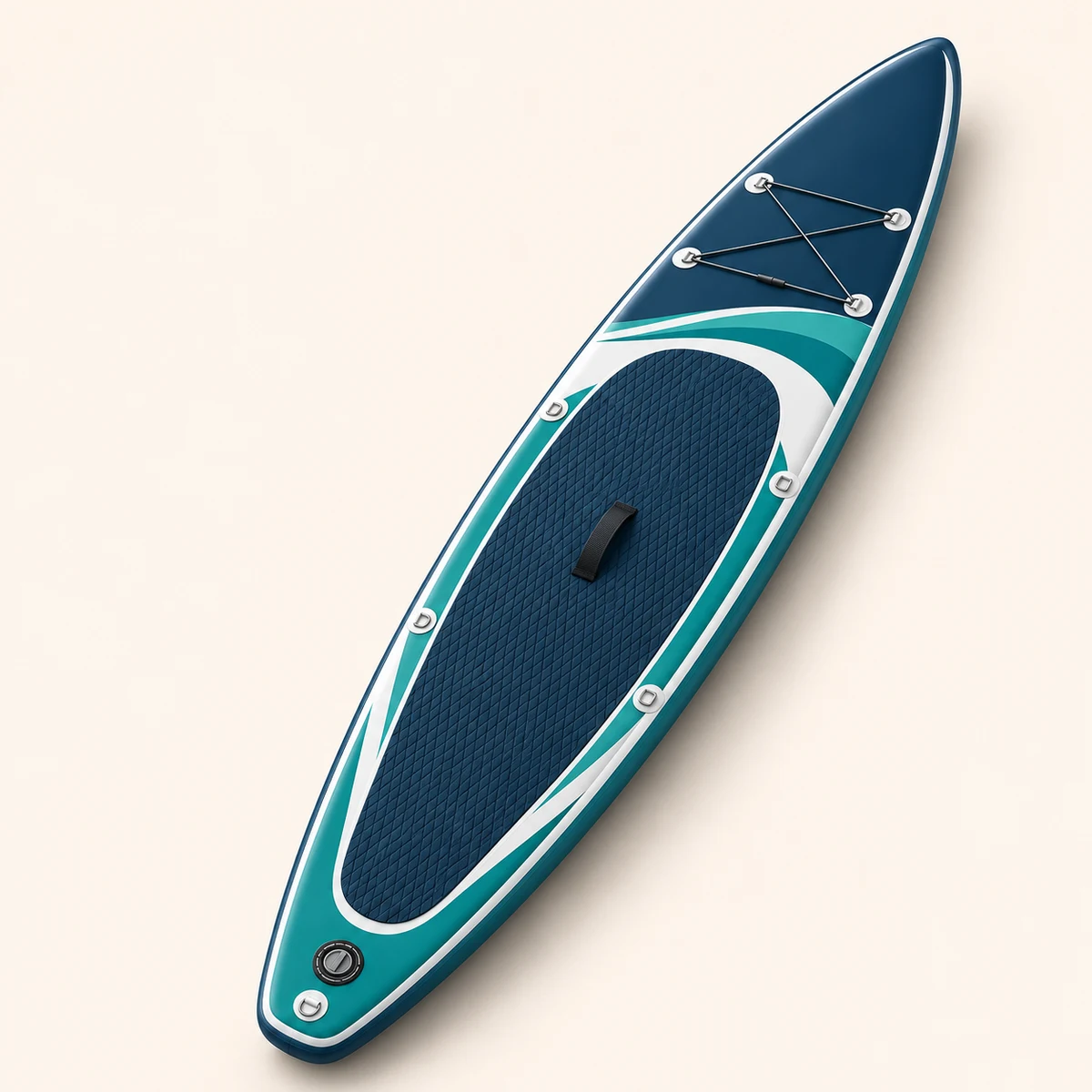
At a glance
Start with intended outings, experience and the rider-plus-gear details, then mark the cargo layout.
12′6″ × 30″ /381 × 76 cm is a touring design reference; final thickness, construction and specifications need confirmation.
DSPR quotes the custom configuration and package separately from listed standard leisure models.
Describe the outing before choosing an outline
To brief a custom touring SUP, tell DSPR where you plan to paddle, the outings you have in mind, your experience and the equipment you want to carry. Say whether you mainly want relaxed sessions, longer journeys or a board for several different activities. An outline preference is useful, but “touring” alone does not settle the dimensions, cargo layout or construction. If you already use a board, describe what you would keep and what you want to change. DSPR can discuss those requirements before you decide on artwork or request a project quote.
Use the touring dimensions as a starting reference
The DSPR shape guide shows a touring concept of 12′6″ × 30″, approximately 381 × 76 cm, with a tapered nose and cargo area. These are example dimensions for discussion, not a confirmed stocked touring SKU or a performance rating. State your preferred length and width, with units, and ask DSPR to confirm thickness, construction and the specification for the proposed board. Listed leisure SUPs use a separate 11′ × 32″ × 6″ standard configuration. A change of shape needs its own agreed dimensions; do not carry across a standard model’s price, load specification or inflation instructions.
Describe the rider and the full equipment list
Provide rider information relevant to the discussion and the combined rider-plus-gear weight with units. List what you intend to bring rather than writing only “some luggage”. Distinguish a small day bag from several bags or other equipment, and include approximate bag dimensions if their placement matters. Tell DSPR which items you want to reach while on the board and which areas you want to keep clear. These details are inputs for the proposed design. Ask for the actual load specification and instructions for that configuration; the reference picture does not establish how much equipment it can carry.
Sketch cargo, pad and fitting positions together
Draw a simple top view with nose and tail labelled. Mark the intended standing area, pad coverage, handle, cargo outline and any requested attachment points. The navy-and-teal illustration shows one possible front-bungee arrangement; the final positions and compatibility are confirmed for your project. If you want to use an existing bag, fin or other accessory, send its details and connection photographs. Ask whether a requested change affects the available deck area or proposed construction. Keep preferred positions and essential requirements distinct so DSPR can identify points that need clarification.
Choose graphics and confirm a separate package
Mark colours and logo positions on the same revision as the dimensions and fittings. Ask for artwork, pad coverage and hardware to be reviewed together rather than approving a graphic without its layout. The standard leisure SUP kit contains paddle, pump, leash, backpack, fin and repair kit; those standard accessories are unbranded. Confirm the package for your custom touring request and list additions or substitutions separately. The ordinary leisure models linked below are comparison references, not touring-model offers. DSPR confirms custom changes, accessory compatibility, product price and delivery for the configuration you request.
Send DSPR a brief that can become a clear design
Send DSPR intended use, experience, rider and gear details, preferred dimensions, the marked cargo and fitting layout, colours, logo, quantity and delivery country or postal code. Identify open questions instead of guessing technical values. The enquiry template gives you an editable checklist; add your name, email and WhatsApp for follow-up. Sending it does not place an order or take payment. Before production, confirm the design revision, specification, included items, modification costs and final delivery quote. Keep the agreed design for comparison with the finished-product photos or video DSPR proactively provides before dispatch.
Send your intended outings, rider and gear details, preferred dimensions and cargo sketch. DSPR will confirm the proposed configuration and quote.
Start your enquiryCustom designsShipping & deliveryReturns & warranty